
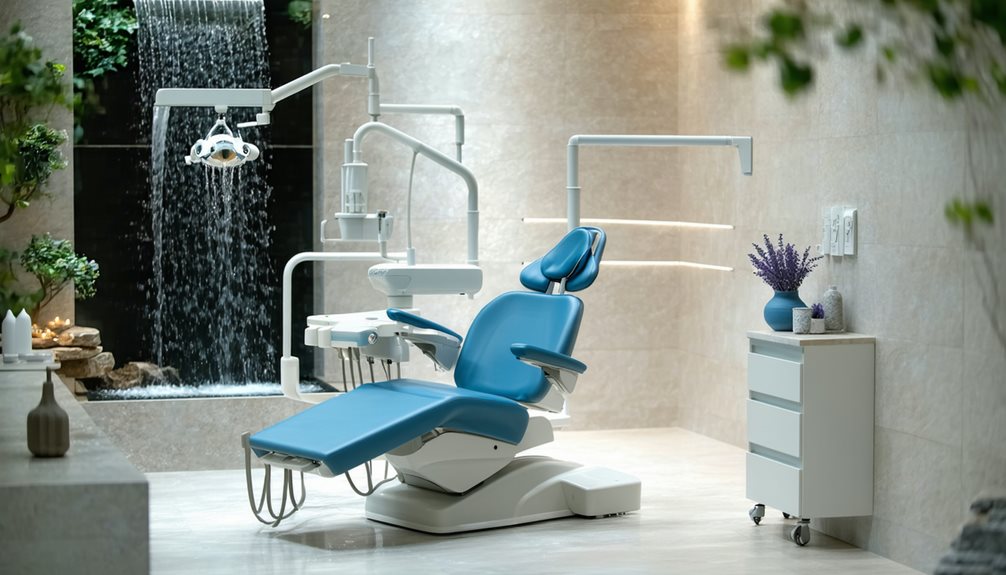
Comfortable endodontic care for anxious patients involves a multifaceted, evidence-based approach, addressing both psychological and physical needs. Understanding dental anxiety and applying cognitive-behavioral techniques can help reframe negative perceptions, fostering trust between patient and clinician. Creating a calming environment with appropriate lighting and soothing music, coupled with effective communication and empathy, helps reduce stress. Advanced sedation options such as nitrous oxide and oral sedatives, along with minimally invasive pain management techniques, guarantee a more pleasant experience. Following up with structured post-treatment support reassures patients of continuous care. Exploring further will reveal more about creating a stress-free endodontic experience.
Understanding Dental Anxiety
Understanding dental anxiety is essential in providing effective and compassionate endodontic care. Dental anxiety, characterized by excessive fear or stress associated with dental visits, can greatly hinder patients’ willingness to seek necessary treatment. The causes of anxiety in dental settings are multifaceted, often originating from past traumatic experiences, fear of pain, or a perceived lack of control during procedures. Recognizing these contributing factors allows dental professionals to tailor their approach, ensuring each patient receives care that aligns with their unique psychological needs.
Innovative strategies grounded in evidence-based practice can effectively address dental anxiety. Coping mechanisms such as cognitive-behavioral techniques empower patients by reframing negative thoughts and encouraging relaxation.
Additionally, incorporating technology like virtual reality or biofeedback can transform traditional endodontic experiences, offering patients immersive distractions and control over their physiological responses to stress.
Education plays a critical role; explaining procedures transparently can demystify treatment processes, reducing fear rooted in the unknown.
Creating a Relaxing Environment
Creating a relaxing environment in the endodontic setting is essential to reducing patient anxiety and enhancing overall care experiences.
Evidence-based practices suggest that implementing calm lighting choices, incorporating soothing music options, and designing comfortable seating arrangements can greatly contribute to a stress-reducing atmosphere.
Calm Lighting Choices
A dental clinic’s ambiance greatly impacts a patient’s comfort during endodontic procedures, with lighting playing an integral role in creating a soothing environment. Proper lighting design can notably reduce anxiety by enhancing visual comfort and promoting relaxation.
The strategic selection of color temperature and ambient brightness is vital in achieving this calming effect. Research suggests that a warm color temperature, typically ranging from 2700K to 3500K, fosters a sense of tranquility, mimicking natural light conditions. This can help patients feel more at ease and less intimidated by the clinical setting.
Incorporating innovative lighting solutions can further optimize the endodontic experience. Consider the following:
- Dimmable LEDs: Allow adjustment of ambient brightness to suit individual patient preferences.
- Indirect Lighting: Minimizes harsh shadows and glare, providing a softer, more inviting atmosphere.
- Smart Lighting Systems: Enable personalized lighting settings, adapting to different procedures and patient needs.
- Biophilic Design Elements: Integrate nature-inspired lighting patterns for a more organic feel.
- Colored LED Accents: Introduce subtle hues, like calming blues or greens, to enhance relaxation without overwhelming the senses.
Soothing Music Options
While the dental setting can often be associated with stress and anxiety, incorporating soothing music options has been shown to greatly enhance patient comfort during endodontic procedures. Music therapy, an evidence-based practice, leverages the psychological and physiological benefits of music to create a calming atmosphere, thereby reducing patients’ perceived stress.
In the context of endodontics, selecting the right soundscapes is paramount to achieving a tranquil environment. Research underscores the importance of soundscapes selection, as the right auditory environment can profoundly impact patient relaxation levels. Soft instrumental music, nature sounds, or specific therapeutic playlists designed for relaxation are effective in creating a soothing backdrop.
These selected soundscapes can help lower heart rates and mitigate anxiety, enhancing the overall treatment experience. Innovative approaches to music therapy in dental practices involve personalized playlists, allowing patients to choose from a curated selection of calming tracks.
This not only empowers patients but also aligns with their unique preferences, further optimizing relaxation. By integrating advanced sound systems and customizable options, dental professionals can transform the clinical environment into a sanctuary of calm, ultimately fostering a more positive and comfortable experience for patients undergoing endodontic care.
Comfortable Seating Arrangements
In the pursuit of enhancing patient comfort during endodontic procedures, ergonomic seating arrangements play an essential role in creating a relaxing environment. The integration of ergonomic chairs and adjustable recliners in dental practices not only mitigates patient anxiety but also optimizes the procedural experience.
Evidence suggests that well-designed seating arrangements can markedly reduce muscular tension and promote a sense of tranquility, which is paramount for patients who experience dental anxiety. By employing innovative seating solutions, practitioners can create a welcoming atmosphere that prioritizes patient well-being.
Consider the following key features that contribute to an ideal seating arrangement:
- Ergonomic design: Chairs that support the natural curvature of the spine can prevent discomfort during lengthy procedures.
- Adjustable recliners: These provide customizable positioning, allowing patients to find their most comfortable setting.
- Memory foam padding: Enhances support and molds to the patient’s body for superior comfort.
- Temperature control: Heated seats can provide additional relaxation, particularly in colder environments.
- Integrated massage functions: These can alleviate tension and help patients remain calm throughout the procedure.
Communication and Empathy
Effective communication and empathy are critical components of comfortable endodontic care, enhancing patient experience and outcomes.
Implementing active listening techniques allows practitioners to fully understand and address patient concerns, thereby reducing anxiety and fostering a sense of trust.
Building this trust is essential, as it not only improves patient cooperation but also facilitates a more accurate and personalized treatment plan.
Active Listening Techniques
Active listening’s pivotal role in endodontic care cannot be overstated, as it forms the foundation of effective communication and empathy between clinicians and patients. This skill is essential for understanding patient concerns and delivering tailored care.
Active listening involves more than just hearing words; it requires attention to non-verbal cues, reflecting patient feedback, and confirming understanding. By employing these techniques, clinicians can create a supportive environment that alleviates patient anxiety and fosters a collaborative treatment process.
To effectively utilize active listening in endodontic care, consider the following strategies:
- Maintain Eye Contact: Establishes trust and shows genuine interest in the patient’s concerns.
- Use Open-Ended Questions: Encourages patients to share detailed information about their symptoms and anxieties.
- Reflective Responses: Paraphrase patient feedback to confirm understanding and demonstrate empathy.
- Observe Non-Verbal Cues: Pay attention to body language and facial expressions for additional insights.
- Provide Summaries: Regularly summarize discussions to guarantee clarity and mutual understanding.
Building Patient Trust
Acknowledging the importance of active listening naturally leads to the next imperative aspect of endodontic care: building patient trust through effective communication and empathy. Establishing trust is foundational to reducing patient anxiety and enhancing cooperation during procedures.
Trust building exercises, such as maintaining eye contact and mirroring patient concerns, facilitate a supportive environment where patients feel understood and valued.Utilizing a patient-centered approach, endodontists can initiate open dialogues, which not only inform but also empower patients in their treatment journey. Patient education is a pivotal component of trust-building, as it demystifies complex endodontic procedures. By leveraging innovative tools such as digital imaging and interactive models, practitioners can elucidate treatment plans, making them more accessible and less intimidating.
This transparency fosters a sense of security and autonomy in patients, reinforcing their confidence in the care they receive. In addition, showing empathy by acknowledging patient fears and addressing them non-judgmentally contributes considerably to a therapeutic alliance.
Ultimately, by integrating these strategies into their practice, endodontists can revolutionize patient experiences, transforming apprehensive visits into opportunities for positive, trust-filled interactions. This patient-centered paradigm not only enhances clinical outcomes but also elevates the standard of care in modern endodontics.
Addressing Patient Concerns
Steering patient concerns in endodontic care demands a nuanced blend of communication and empathy. By understanding patient feedback and anxiety triggers, dental practitioners can create a supportive environment that prioritizes comfort.
Evidence-based approaches suggest that addressing concerns proactively not only enhances the patient experience but also promotes ideal treatment outcomes. Empathetic listening is essential, as it allows clinicians to identify specific anxiety triggers and tailor their approach accordingly.
To effectively address patient concerns, consider the following strategies:
- Active Listening: Listen attentively to understand the patient’s specific worries and assure them that their concerns are valued.
- Clear Communication: Explain procedures and potential sensations in a straightforward manner to demystify the experience and reduce anxiety.
- Patient Feedback Integration: Regularly solicit and incorporate feedback to refine the patient experience continually.
- Anxiety-Reducing Techniques: Employ relaxation strategies such as guided imagery or breathing exercises to alleviate stress.
- Customized Care Plans: Adapt treatment plans based on individual anxiety triggers and preferences, ensuring a personalized approach.
These strategies, rooted in technical expertise and patient-centered care, are instrumental in fostering a trusting relationship between clinicians and patients.
Sedation Options for Comfort
For many patients, the prospect of undergoing endodontic procedures can evoke anxiety and discomfort, making sedation an essential component of modern dental care. The strategic use of sedation not only alleviates patient apprehension but also enhances the overall procedural experience.
Among the sedation options available, nitrous oxide, commonly known as "laughing gas," is a versatile choice due to its rapid onset and adjustable dosage. Administered through a nasal mask, nitrous oxide induces a state of relaxation while allowing patients to remain conscious and responsive. Its safety profile and minimal side effects make it ideal for a wide range of patients seeking a stress-free dental visit.
Oral sedation represents another innovative approach to managing dental anxiety, often involving the administration of benzodiazepines. This method offers a deeper level of sedation compared to nitrous oxide, providing a tranquil state that helps patients comfortably endure longer or more complex procedures.
Oral sedation requires careful patient assessment and tailored dosing to guarantee excellent results. Both nitrous oxide and oral sedation empower dental professionals to deliver patient-centered care, prioritizing comfort and reducing procedural stress, thereby fostering a more positive perception of endodontic treatment within the ambit of contemporary dentistry.
Advanced Pain Management Techniques
Precision in pain management is paramount in endodontic care, as it directly influences patient satisfaction and procedural outcomes.
With the advent of pain relief innovations, clinicians can now employ a range of advanced techniques to address both physiological and psychological aspects of pain. These methods are designed to enhance comfort and reduce anxiety, ultimately paving the way for more efficient and effective treatments.
Modern pain management techniques in endodontics emphasize minimally invasive approaches and real-time monitoring to tailor interventions to individual patient needs.
Here are some innovative strategies:
- Computer-controlled local anesthesia delivery (C-CLAD): Guarantees accurate dosing and minimizes discomfort, enhancing patient comfort.
- Laser-assisted analgesia: Utilizes laser technology to manage pain, reducing the need for traditional anesthetics.
- Transcutaneous electrical nerve stimulation (TENS): A non-invasive option that can alleviate pain through electrical nerve stimulation.
- Mindfulness and cognitive behavioral therapy (CBT): Integrates psychological support to manage anxiety and improve patient experience.
- Intraosseous anesthesia: Directly targets the bone surrounding the tooth, providing rapid and profound numbness with minimal systemic effects.
Post-Treatment Support Strategies
Effective pain management during endodontic procedures is only part of the equation in guaranteeing patient satisfaction and ideal recovery. Post-treatment support strategies play a vital role in sustaining patient comfort and promoting best healing.
Implementing a structured post treatment follow up protocol is essential for monitoring patient progress and addressing any complications promptly. This includes scheduled phone check-ins or digital communications to assess the patient’s recovery trajectory, pain levels, and any concerns that may arise post-procedure.
Integrating innovative technologies such as patient management systems can facilitate seamless communication and guarantee no follow-up appointment is overlooked. Additionally, incorporating patient feedback mechanisms provides valuable insights into the effectiveness of care, enabling practitioners to refine their approach continuously.
Encouraging patients to share their experiences through surveys or digital platforms can offer actionable data to enhance service delivery and tailor future procedures to meet evolving patient needs.
An evidence-based approach to post-treatment support not only reinforces trust but also encourages patient adherence to aftercare instructions, ultimately reducing the risk of complications.
Frequently Asked Questions
How Can I Prepare Mentally Before My Endodontic Appointment?
To mentally prepare for your endodontic appointment, engage in pre-appointment visualization techniques, imagining a calm, successful procedure. Employ positive affirmations to foster an optimistic mindset, as these evidence-based strategies can enhance patient-centered care and alleviate anxiety.
Are There Any Non-Medical Ways to Reduce Anxiety During Dental Procedures?
Non-medical strategies like mindfulness meditation and aromatherapy techniques can effectively alleviate anxiety during dental procedures. Evidence-based research indicates these approaches promote relaxation, enhancing patient comfort and fostering an innovative, patient-centered experience in clinical settings.
What Should I Do if I Experience Anxiety After Leaving the Dentist’s Office?
For post-appointment coping, consider engaging in anxiety support techniques like mindfulness exercises or relaxation practices. These evidence-based methods can mitigate lingering anxiety, offering innovative ways to enhance your overall well-being after dental visits.
Can Listening to Music Improve My Comfort During Endodontic Care?
Music therapy, utilizing patient playlists, has been evidenced to enhance comfort during endodontic procedures. This innovative approach can effectively alleviate anxiety by creating a calming auditory environment, thereby improving overall patient experience and treatment outcomes.
Are There Specific Breathing Techniques to Help Manage Dental Anxiety?
Deep breathing and visualization techniques are evidence-based strategies that can effectively manage dental anxiety, providing a patient-centered approach. These innovative methods enhance relaxation, reduce stress responses, and improve overall comfort during dental procedures, fostering a positive treatment experience.
Conclusion
The integration of a soothing atmosphere, empathetic communication, and effective sedation and pain management strategies greatly enhances endodontic care for anxious patients. Addressing dental anxiety through evidence-based practices not only improves patient comfort but also contributes to more successful treatment outcomes. Post-treatment support further guarantees patient satisfaction and fosters trust in dental care. By prioritizing these patient-centered approaches, dental professionals can effectively mitigate anxiety, promoting a more positive experience for individuals undergoing endodontic procedures.
